
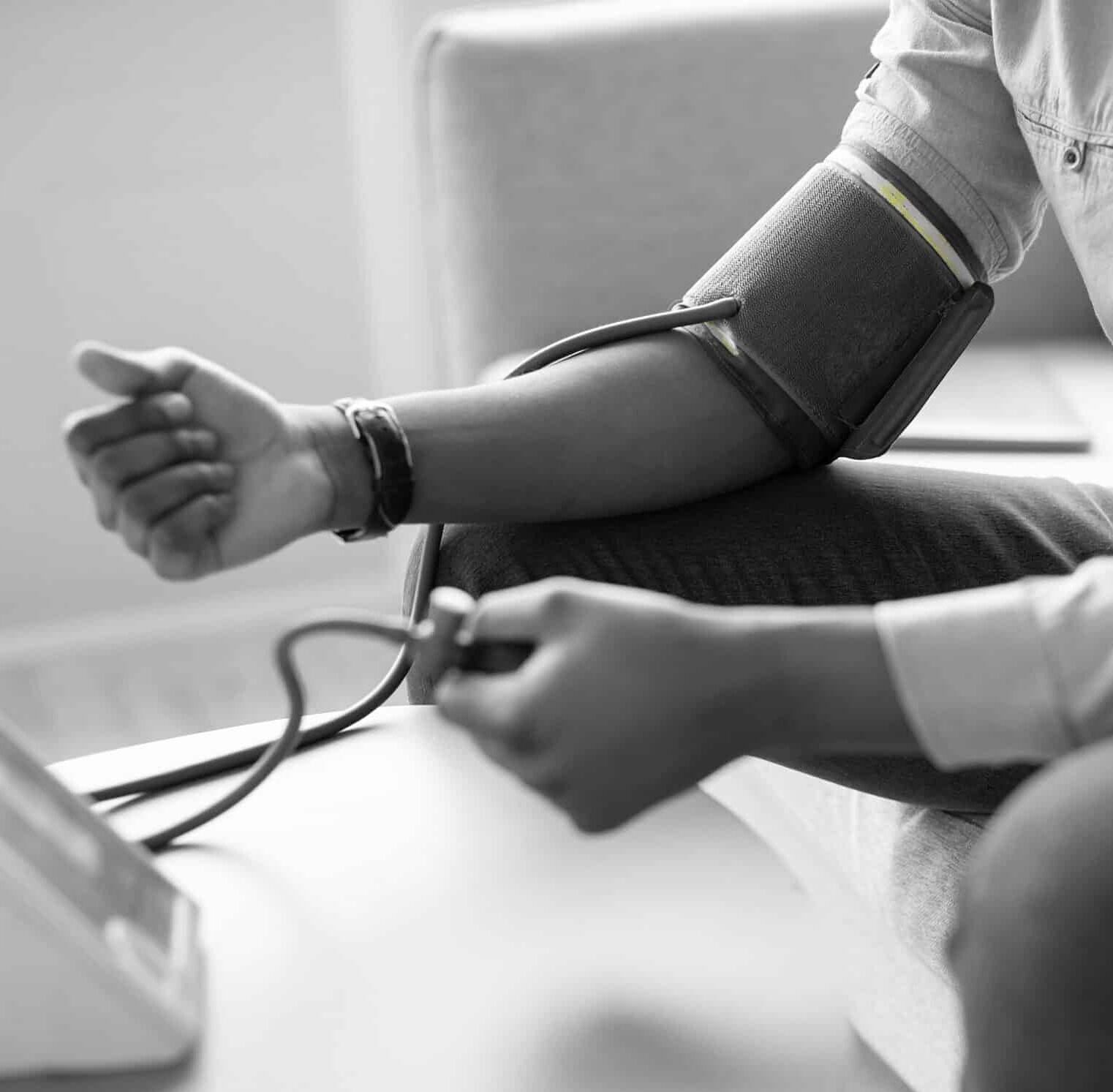
Every few weeks I’ll see a YouTube title or social post that promises something like “Fix your blood pressure with these five exercises,” or “Eat this one food and stop taking your blood pressure medication.” Sometimes it’s coming from a physician, which is the part that’s hard to watch. The moment a doctor starts selling a simple, universal trick for a problem as common and as serious as hypertension, they’re not “doctoring” anymore. They’re marketing. And they’re doing medicine a disservice, because blood pressure is not a gimmick problem. It’s a real problem.
Here’s the truth: exercise can lower blood pressure, and it should be part of almost every long-term cardiovascular plan. But the real question is the one clickbait never answers: how much does it lower blood pressure, in the average person, and is it enough to take someone from a true hypertensive range into a safe range without additional intervention? That depends on where you start, what kind of exercise you’re doing, and why your blood pressure is high in the first place.
What Exercise Usually Does to Blood Pressure (Real Numbers)
When you look across randomized trials and large meta-analyses, the average blood pressure reduction from structured exercise is meaningful, but it’s not magic. Most pooled analyses show reductions of roughly 4–6 mmHg systolic and 2–3 mmHg diastolic with aerobic training, resistance training, or combined modalities. In individuals who begin in a clearly hypertensive range, the reductions can be somewhat larger.
But this is the part that rarely gets explained honestly.
If someone’s blood pressure is 145/90 and they exercise, lowering it by 5 mmHg systolic and 3 mmHg diastolic, they are now 140/87. That is still hypertensive. It does not meaningfully reduce long-term cardiovascular risk in the way patients assume it does. When we treat blood pressure appropriately, the goal is not to move from “high” to “slightly less high.” The goal is to bring systolic pressure down toward, and ideally below, 120 mmHg, with diastolic under 80. A modest 4–6 mmHg drop from exercise alone is not sufficient treatment for true hypertension in most patients.
That does not make exercise unimportant. It makes it foundational but incomplete.
In individuals who are already near-normal or physically fit, the average blood pressure reduction from exercise tends to be even smaller. This is where the simplistic messaging falls apart. I routinely see lean, athletic, highly disciplined men who train consistently and still carry systolic pressures in the 130s or 140s. Their issue is not inactivity. It is something else driving vascular tone or arterial stiffness.
Why Fit Men Still Develop High Blood Pressure
Hypertension is not a single disease with a single cause. It is a final common pathway. Some men have strong genetic predispositions toward higher vascular tone or salt sensitivity. Some develop increasing arterial stiffness with age despite excellent conditioning. Some have untreated sleep apnea that chronically elevates sympathetic activity. Others are influenced by alcohol intake, chronic NSAID use, stimulants, decongestants, or other medications. Some have renal disease or endocrine drivers such as primary aldosteronism or thyroid dysfunction.
In other words, not every case of hypertension is a lifestyle failure. And not every case can be solved by adding another workout to an already structured training routine.
How We Approach Hypertension in Fit Men at The Men’s Clinic for Wellness and Vitality
This is where proper men’s health care differs from social media advice.
At The Men’s Clinic for Wellness and Vitality, we do not dismiss elevated blood pressure simply because a patient looks lean or performs well on a treadmill. In fact, hypertension in fit men is often more concerning, because it is frequently overlooked. The assumption becomes, “You’re in good shape, so you must be fine.” That assumption is wrong.
Blood pressure is one variable in a larger cardiovascular risk profile. We evaluate it alongside advanced lipid markers such as ApoB and LDL particle number, inflammatory markers, metabolic data, visceral adiposity, sleep quality, hormonal balance, and arterial health. We look at patterns. We confirm measurements. We rule out secondary causes when appropriate. We assess long-term risk, not just today’s reading.
Sometimes lifestyle modification is enough. Sometimes sleep optimization dramatically improves pressure. Sometimes reducing alcohol or addressing undiagnosed sleep apnea makes a meaningful difference. And sometimes, despite excellent habits, medication is the responsible and evidence-based choice. There is no failure in treating hypertension properly. The failure is ignoring it.
For men who are serious about longevity and performance, blood pressure management is not optional. It is foundational. Elevated systolic pressure in the 130s and 140s over years increases the risk of coronary artery disease, stroke, kidney disease, and vascular dementia, regardless of how many miles you run each week.
Fitness is powerful. Discipline matters. But physiology still wins. The goal is not to look healthy. The goal is to reduce measurable cardiovascular risk and preserve long-term vitality.
Back to All Blogs